Staying Active as Winter Approaches: Your Complete Guide to Cold-Weather Fitness
Introduction to Winter Fitness Staying active as the winter months…
Introduction to Winter Fitness
Staying active as the winter months approach can feel daunting, but it’s one of the best things you can do for your overall health and well-being. As cold weather sets in and daylight hours dwindle, it’s easy to let physical activity slide. People are more likely to stay indoors during winter, which can negatively impact joint health and reduce activity levels. However, making the effort to keep moving during the colder months pays off in countless ways. Regular exercise helps reduce the risk of chronic diseases, supports mental health, and keeps your energy levels up even when the weather outside is less than inviting.
Finding ways to stay active—whether it’s a brisk walk, a cycling session, or a gentle tai chi routine—can help you maintain good health and improve balance. Even on the darkest days, a little movement goes a long way toward boosting your mood and keeping your body strong. The key is to adapt your fitness routine to fit the season: try indoor exercises, explore new activities like yoga or tai chi, or simply commit to regular walks, even if they’re shorter than usual. With the right mindset and a few practical tips, you can make winter a time of growth for your fitness and overall health.
Key Takeaways
- Adults need 150 minutes of moderate exercise weekly, even in winter, to maintain physical and mental health
- Indoor activities like yoga, strength training, and home workouts can replace outdoor routines during harsh weather
- Winter exercise helps combat seasonal depression, maintains joint health, and strengthens immunity
- Proper preparation including warm clothing, safety gear, and gradual warm-ups prevents winter exercise injuries
- Building flexible routines with both indoor and outdoor options ensures consistent activity regardless of weather conditions
As temperatures drop and daylight hours shrink, many people admit to abandoning their regular exercise routines during cold weather. This seasonal shift toward inactivity isn’t just about comfort—it’s a significant public health concern that affects everything from our mental wellbeing to our immune system strength.
The challenge of staying active as winter approaches is real, but it’s far from insurmountable. Research shows that people who maintain consistent physical activity during colder months experience fewer seasonal mood changes, maintain healthier body weight, and enjoy stronger immune systems throughout the year. Whether you’re a dedicated athlete or someone who simply wants to stay healthy through the winter, this comprehensive guide will equip you with practical strategies to keep moving when the weather forecast shows dropping temperatures.

Why Staying Active in Winter Matters
Maintaining physical activity during winter months delivers immediate and long-term health benefits that extend far beyond just staying in shape. Regular winter exercise serves as a powerful antidote to the seasonal challenges our bodies and minds face during darker nights and colder weather.
Mental Health and Mood Regulation
Exercise during winter months can reduce symptoms of seasonal depression by 30-50%, according to multiple clinical studies. When daylight hours decrease, our bodies produce less serotonin—the neurotransmitter responsible for mood regulation. Physical activity stimulates the production of endorphins, dopamine, and serotonin, naturally combating the psychological effects of reduced sunlight exposure. Even small amounts of structured exercise can make a big difference in maintaining mental health during challenging winter periods.
Weight Management and Metabolic Health
The average person gains 5-7 pounds during cold months due to decreased activity and increased caloric intake. However, those who stay active can actually lose weight during winter, as they burn more calories during exercise sessions. Cold weather forces your body to work harder to maintain core temperature, increasing caloric expenditure by 5-15% compared to similar activities in warmer conditions. This thermogenic effect makes winter an ideal time for weight loss goals when combined with consistent activity.
Joint Health and Arthritis Management
People with arthritis experience approximately 20% more pain and stiffness during cold weather. Regular movement and exercises that improve range of motion help maintain joint flexibility and reduce inflammation. Low-impact activities like tai chi, water aerobics, and gentle yoga can provide significant relief while strengthening the muscles that support arthritic joints.
Immune System Support
Moderate exercise strengthens your immune system, particularly important during flu season and when spending more time indoors with others. Research indicates that people who exercise regularly experience 25% fewer upper respiratory infections during winter months. The combination of improved circulation, stress reduction, and enhanced lymphatic function helps your body better defend against seasonal illness.
Cardiovascular Benefits
Winter stress from cold temperatures, holiday pressures, and reduced daylight can elevate blood pressure and increase heart attack risk. Regular physical activity helps regulate blood pressure, improves heart health, and reduces the cardiovascular strain associated with seasonal stress. Maintaining an exercise plan during winter is particularly crucial for those with existing heart conditions.
Preparing for Cold-Weather Exercise
Before you head out for a winter workout, taking a few extra steps to prepare can make all the difference in staying safe and comfortable. Start by checking the weather forecast so you know what to expect and can plan your exercise routine accordingly. Dressing in layers of breathable, moisture-wicking clothing helps you stay warm without overheating, while a hat and gloves protect your extremities from the cold.
Visibility is especially important during the darker nights of winter, so be sure to wear reflective clothing or accessories to make yourself easy to spot. Footwear matters too—choose shoes or boots with a good grip to help prevent slips on icy or snowy surfaces. And don’t forget about hydration: even in cold weather, your body needs plenty of water before, during, and after exercise. By taking these simple precautions, you can exercise safely and confidently, making the most of your winter workouts no matter what the weather brings. However, it’s important to be aware of the potential risks associated with cold-weather activities and to understand and manage these risks to stay safe.
Common Winter Exercise Challenges and Solutions
Dealing with Shorter Daylight Hours
Daylight drops to just 8-9 hours in December in most temperate climates, significantly impacting our circadian rhythms and exercise motivation. Reduced light exposure decreases vitamin D production and disrupts sleep patterns, creating a cycle that makes maintaining activity levels increasingly difficult.
Strategic Scheduling Solutions
Schedule workouts during lunch hours when natural light is strongest, even if exercising indoors. Consider morning light therapy sessions using a 10,000-lux light box for 20-30 minutes while doing gentle stretches or meditation. For outdoor activities during dark hours, invest in proper lighting equipment like a head torch or reflective clothing to stay safe and visible.
Indoor Light Optimization
Create a bright exercise environment by opening all available blinds and using multiple light sources. Consider installing full-spectrum LED bulbs in your exercise space to simulate natural daylight. This simple change can significantly improve mood and energy levels during indoor workouts.
Overcoming Cold Weather Barriers
Many people avoid outdoor exercise when temperatures drop, but with proper preparation, you can safely exercise in weather as cold as 30-50°F. Winter weather can make outdoor exercise challenging, so it’s important to have indoor exercise options available during periods of harsh winter weather. Understanding how your body adapts to cold conditions helps you make informed decisions about when and how to exercise outdoors.
Temperature Guidelines and Preparation
Avoid outdoor exercise when temperatures drop below 0°F or when wind chill creates dangerous conditions. Between 32-50°F, focus on proper layering with moisture-wicking base layers, insulating mid-layers, and wind-resistant outer shells. Keep your feet warm with insulated, waterproof footwear that provides good grip on potentially icy surfaces.
Gradual Adaptation
Start with shorter outdoor sessions and gradually increase duration as your body adapts to exercising in cold conditions. Begin with 15-20 minute walks and progress to longer activities as you become comfortable with proper gear and techniques for staying warm.
Managing Reduced Motivation
Decreased serotonin and increased cortisol levels during winter create psychological barriers to exercise that go beyond simple lack of willpower. Understanding these physiological changes helps you develop targeted strategies for maintaining motivation.
Accountability and Support Systems
Build accountability through workout partners, fitness tracking apps, or joining community centres that offer winter fitness programs. Share your goals with friends or family members who can provide encouragement during low-motivation periods. Consider joining online fitness communities where members support each other through winter exercise challenges.
Realistic Goal Setting
Set achievable winter goals that focus on consistency rather than intensity. Aim to maintain 70-80% of your warm-weather activity level rather than trying to increase fitness during the most challenging time of year. Celebrate small victories like completing a week of planned workouts or trying a new indoor activity.
Effective Indoor Exercise Options
Home Workout Solutions
Transform your own home into an effective fitness space without expensive equipment or extensive space requirements. Body weight exercises provide comprehensive strength training while requiring minimal room and zero equipment investment.
Equipment-Free Routines
Focus on compound movements that work multiple muscle groups simultaneously. A basic routine might include push-ups for upper body strength, squats for lower body power, planks for core stability, and mountain climbers for cardiovascular fitness. These safe exercises can be modified for any fitness level and performed in spaces as small as 6×6 feet.
Technology-Enhanced Training
Utilize fitness apps and YouTube channels that offer structured, progressive workouts. Popular options include bodyweight training programs that adjust difficulty based on your progress. Many apps provide 20-30 minute routines specifically designed for small spaces and varying fitness levels.
Space Optimization
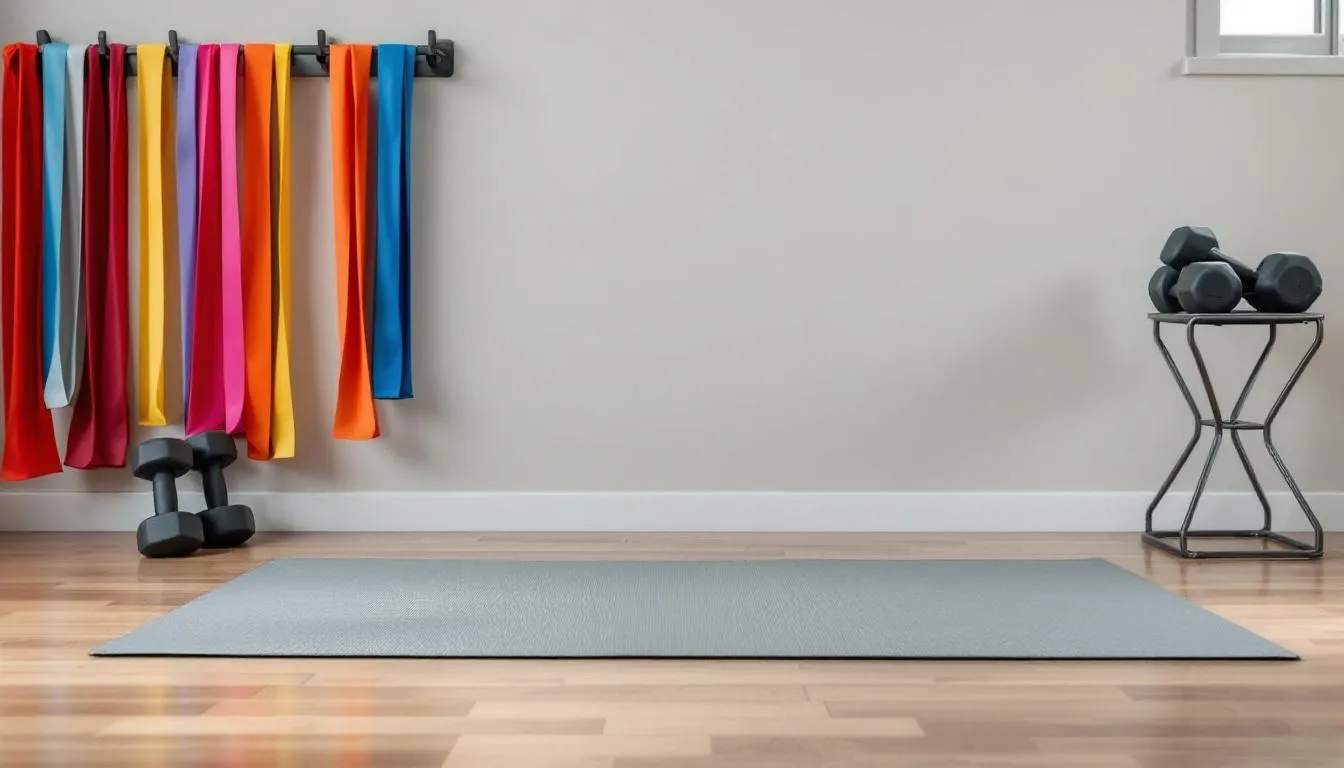
Create a designated workout area that can be quickly set up and cleared away. Use a yoga mat to define your exercise space and store basic equipment like resistance bands or light dumbbells in a nearby closet or under a bed. Having a consistent space helps maintain the mental association between location and exercise.
Strength Training Focus
Use winter months to build strength that will enhance your performance when warm weather returns. Focus on compound movements like deadlifts, squats, and bench presses that work multiple muscle groups and provide maximum benefit for time invested. Progressive resistance exercises help maintain muscle mass and bone density during the typically more sedentary winter period.
Cardiovascular Variety
Alternate between different cardio machines to prevent boredom and work different muscle groups. Combine treadmill intervals with rowing machine sessions and stationary bike workouts for comprehensive cardiovascular fitness. Swimming in heated indoor pools provides excellent low-impact exercise that’s particularly beneficial for joint health during cold months.
Group Fitness Classes
Join yoga classes, spin sessions, or group strength training to maintain social connections while exercising. Group activities provide built-in motivation and accountability while offering professional instruction to ensure proper form and safety.
Mind-Body Practices
Winter is an ideal time to develop flexibility, balance, and mental focus through practices that emphasize the connection between physical and psychological well-being.
Yoga for Winter Wellness
Regular yoga practice addresses both physical stiffness from cold weather and mental stress from seasonal changes. Focus on poses that open the chest and shoulders, which tend to tighten when we hunch against cold. Hip-opening poses help maintain lower body flexibility during months of reduced outdoor activity.
Gentle Movement for Seniors
Tai chi provides excellent options for older adults or those with joint concerns. These practices improve balance, reduce fall risk, and can be performed in heated indoor spaces. The slow, controlled movements help maintain strength and flexibility without the impact stress of more vigorous activities.
Stress Management Integration
Incorporate meditation and breathing exercises into your fitness routine to address the psychological challenges of winter. Even 5-10 minutes of focused breathing can reduce cortisol levels and improve overall mood, making it easier to maintain consistent exercise habits.
Outdoor Winter Activities to Embrace
Traditional Winter Sports
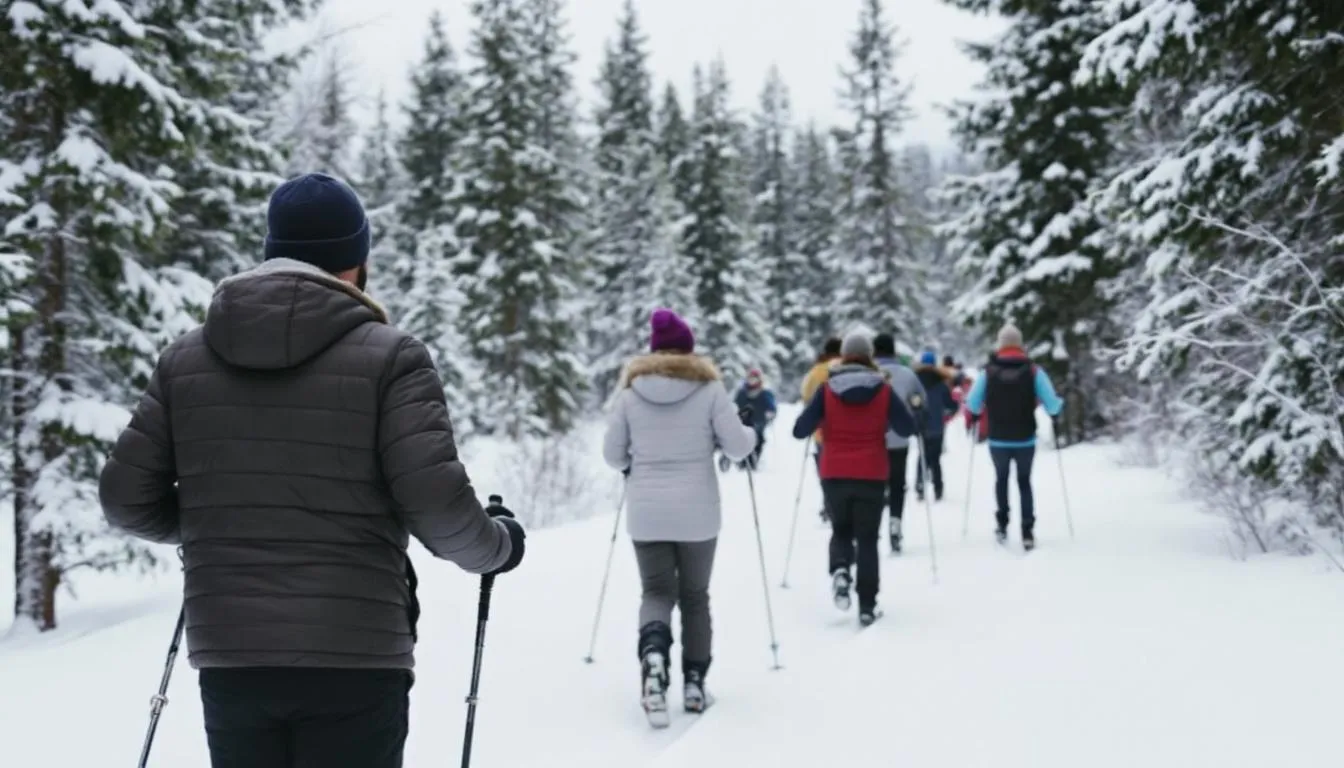
Winter sports offer unique cardiovascular benefits while helping you embrace rather than merely endure the cold season. Many winter activities burn 400-600 calories per hour while providing full-body workouts that are impossible to replicate indoors.
Staying active during the winter months is essential for maintaining your overall health, energy, and mental wellbeing. When cold weather sets in, it’s important to choose safe exercises that help you stay active while minimizing the risk of injury. Low-impact activities like yoga and tai chi are excellent choices for the colder months, as they improve balance, support heart health, and can be done indoors where it’s warm. Walking is another great way to keep moving—whether you’re braving the outdoors or taking laps inside a community centre or your own home.
Body weight exercises such as squats, lunges, and push-ups are perfect for winter because they require no equipment and can be performed in small indoor spaces. These exercises help maintain strength and flexibility, supporting your body through the winter months. If you do head outside, always check the weather forecast first and dress in appropriate clothing, including layers and reflective clothing for visibility during darker nights. Make sure your footwear has a good grip to prevent slips on icy surfaces, and consider staying indoors when bad weather makes outdoor exercise risky.
By focusing on these safe exercises and adapting your routine to the season, you can stay healthy, support your heart health, and boost your mental health all winter long. Remember, even small amounts of movement make a big difference—so keep exercising, stay safe, and enjoy the benefits of staying active, no matter how cold it gets outside.
Exercise and Good Health
Keeping up with regular physical activity during the winter months is one of the most effective ways to support your immune system and maintain good health. Exercise helps burn calories, manage weight, and reduce the risk of chronic illnesses like diabetes and heart disease. Activities such as walking, cycling, or swimming are excellent for cardiovascular health and can be easily adapted for indoor or outdoor settings.
Incorporating strength training—whether through body weight exercises or lifting weights—helps maintain muscle mass and bone density, which is especially important as we age. Even small amounts of movement, like taking the stairs or doing a quick set of squats, can make a big difference in your overall fitness. The key is consistency: staying active, even in short bursts, helps you feel your best and keeps your body resilient throughout the winter.
Importance of Heart Health
Prioritizing heart health is crucial, especially during the winter when cold weather can put extra strain on your cardiovascular system. Regular physical activity is one of the most effective ways to support heart health, helping to lower blood pressure, improve circulation, and keep your heart rate in a healthy range. Activities like brisk walking, cycling, or swimming are excellent choices for boosting cardiovascular fitness and reducing the risk of heart attack.
Adding high-intensity interval training (HIIT) to your routine can further enhance heart health and overall fitness. Remember to stay hydrated, eat a balanced diet rich in heart-healthy foods, and get enough sleep to support your body’s recovery and resilience. By making heart health a priority and incorporating regular exercise into your winter routine, you’ll reduce your risk of chronic disease and support your overall well-being all season long.
Staying Motivated Throughout Cold Months
Maintaining exercise motivation during winter requires specific strategies that address the psychological and practical challenges of the season. Building systems that support consistency matters more than relying on willpower alone.
SMART Goal Setting for Winter
Set Specific, Measurable, Achievable, Relevant, and Time-bound goals that account for seasonal realities. Instead of aiming to “exercise more,” commit to “complete three 30-minute workouts per week including one outdoor activity weather permitting.” This approach provides clear benchmarks while allowing flexibility for changing conditions.
Progressive Milestone Celebrations
Create a reward system that acknowledges weekly and monthly achievements rather than waiting for long-term results. Rewards might include new workout clothes, a massage, or a favourite healthy meal. Recognizing progress helps maintain momentum during periods when external motivation is low.
Community Support and Accountability
Join winter fitness challenges through local gyms, community centres, or online platforms. Group challenges provide external motivation and help normalize the experience of maintaining fitness during challenging weather.
Seasonal Mindset Reframing
View winter as an opportunity to develop new skills and discover activities you might enjoy year-round rather than simply enduring until spring returns. This mental shift from survival mode to growth mode significantly impacts motivation and enjoyment of winter exercise.
Safety Tips for Winter Exercise
Outdoor Safety Protocols
Cold weather exercise requires additional safety considerations to prevent injury and ensure enjoyable experiences. Proper preparation and awareness of warning signs help you exercise safely regardless of outdoor conditions.
Extended Warm-Up Requirements
Allow 10-15 minutes for warm-up when exercising in cold weather, compared to 5-10 minutes in moderate temperatures. Cold muscles and joints are more susceptible to injury, making gradual preparation essential. Begin indoors with light movement and dynamic stretching before transitioning to outdoor activity.
Visibility and Communication
Wear reflective clothing and use LED lights during any outdoor activity in low-light conditions. Inform someone of your planned route, expected duration, and estimated return time. Carry a fully charged cell phone in an inner pocket to maintain battery life in cold temperatures.
Hydration and Nutrition
Cold weather masks dehydration symptoms, making it crucial to drink water before, during, and after exercise even when you don’t feel thirsty. Eat appropriately before cold-weather exercise to ensure adequate energy stores, as your body uses more calories to maintain core temperature.
Recognition of Cold-Related Conditions
Learn early warning signs of hypothermia including shivering, confusion, and loss of coordination. Frostbite symptoms include numbness, tingling, and skin colour changes in extremities. If you experience any concerning symptoms, move to a warm environment immediately and seek medical attention if symptoms persist.
Indoor Safety Considerations
Indoor exercise environments present unique safety considerations, particularly during winter when heating systems and reduced ventilation may create challenging conditions.
Proper Ventilation Management
Ensure adequate air circulation when exercising in heated indoor spaces to prevent overheating and maintain air quality. Open windows briefly between workout sessions if possible, or use fans to improve air circulation during exercise.
Equipment Safety and Maintenance
Inspect home exercise equipment regularly for wear or damage that could cause injury. Ensure adequate space around equipment and clear pathways to prevent falls. Keep exercise areas well-lit and free of clutter that could create tripping hazards.
Illness Considerations
Modify or skip workouts when experiencing cold or flu symptoms, particularly fever or respiratory issues. Return to exercise gradually after illness, starting with lower intensity activities and shorter durations than your pre-illness routine.

Creating Your Winter Fitness Routine
Building a sustainable winter fitness routine requires balancing consistency with flexibility to accommodate changing weather conditions and seasonal energy fluctuations. A well-designed plan includes backup options and realistic expectations for the challenges winter presents.
Weekly Schedule Templates
Design a weekly schedule that includes both indoor and outdoor activities, with indoor alternatives ready for days when weather conditions make outdoor exercise unsafe or unpleasant. For example, plan outdoor walks or runs on Monday, Wednesday, and Friday, with indoor strength training on Tuesday and Thursday, and a yoga class on Saturday. Always have backup indoor activities ready for unexpected weather changes.
Progressive Seasonal Planning
Begin building your winter fitness base in November with activities that prepare your body for cold-weather exercise. Gradually increase cold exposure and outdoor activity duration as winter progresses. Plan for reduced intensity during the darkest months (December and January) with a focus on maintaining rather than building fitness.
Flexibility and Adaptation
Build flexibility into your routine that allows for seasonal energy fluctuations and challenging time periods like holidays. During particularly stressful or busy weeks, maintain exercise consistency by reducing duration rather than skipping entirely. A 15-minute walk or brief stretching session helps maintain habits even when full workouts aren’t possible.
Recovery and Rest Integration
Winter exercise requires additional attention to recovery due to the added stress of cold weather and potential seasonal mood changes. Plan regular rest days and include gentle activities like stretching or meditation. Ensure adequate sleep, which becomes even more important for recovery during the demanding winter months.
Holiday Period Strategies
Develop specific strategies for maintaining activity during holiday periods when routines are disrupted. Pack resistance bands for travel, research gym day passes in destinations you’ll visit, or plan family activities that include physical movement. Even small amounts of activity during holiday periods help prevent complete routine disruption.
FAQ
How much should I reduce my exercise intensity during winter?
You don’t need to significantly reduce intensity—focus on maintaining consistency rather than cutting back dramatically. Most fitness experts recommend maintaining 70-80% of your warm-weather activity level during winter months. Listen to your body and adjust based on energy levels, which may fluctuate more during winter due to reduced daylight and seasonal stress. Consider adding 5-10 minutes extra warm-up time for cold weather outdoor activities, but maintain your regular workout intensity once properly warmed up.
What should I do if I lose motivation for several weeks?
Start with just 10-15 minutes of gentle movement like stretching, short walks, or basic body weight exercises to rebuild the exercise habit. Focus on activities you genuinely enjoy rather than forcing yourself through disliked exercises, as enjoyment is crucial for long-term motivation. Consider light therapy sessions or vitamin D supplements to combat seasonal mood changes that affect exercise motivation. Remember that even small amounts of movement provide mental health benefits and help maintain the routine foundation for when motivation returns.
How can I maintain my summer fitness level through winter?
Focus on consistency over intensity—maintaining 70-80% of summer activity levels is realistic and healthy for most people. Cross-train with different activities to prevent boredom and work different muscle groups; use winter as an opportunity to build strength and flexibility that will enhance summer performance. Indoor activities like strength training, yoga, and swimming can maintain or even improve fitness levels while outdoor winter sports provide cardiovascular benefits comparable to summer activities.
What equipment do I need for effective home winter workouts?
Basic equipment like resistance bands, dumbbells, and a yoga mat can provide comprehensive full-body workouts in minimal space. However, body weight exercises require no equipment and can be equally effective for maintaining fitness and building strength. If exercising in unheated spaces like garages or basements, consider investing in a space heater to create comfortable workout conditions during very cold weather. The key is consistency rather than expensive equipment—focus on exercises you can perform regularly rather than elaborate setups you’ll rarely use.